


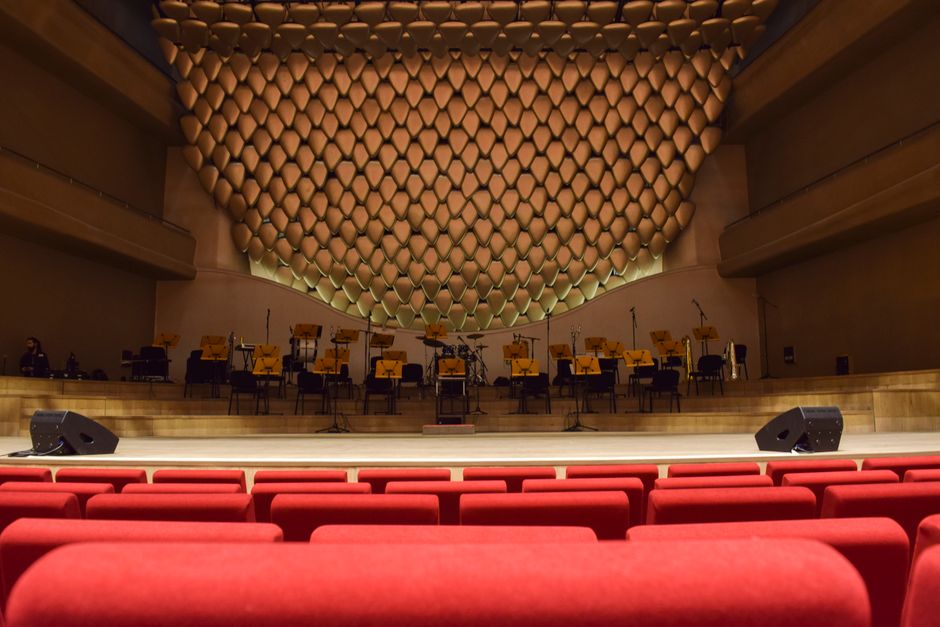
Monologue for Auditions: How to Choose and Prepare
Monologue for an audition is a short solo performance by an actor (usually 1-3 minutes) that demonstrates their acting abilities, emotional range, and technique. A properly selected and well-executed monologue can be a decisive factor in casting for a role.
Why You Need a Monologue at an Audition
A monologue allows a casting director to quickly assess a candidate's acting potential. Unlike cold readings, where an actor works with unfamiliar material, a monologue shows them in the best light — with rehearsed material.
Key functions of a monologue:
- Demonstrating emotional range
- Showing speech technique and diction
- Revealing stage presence
- Proving the ability to hold the audience's attention
However, not all auditions require a prepared monologue. Most often it's requested at theater auditions, casting calls for dramatic projects, and when applying to acting schools.
Types of Monologues for Auditions
Classical Monologues
Classics are always valued — texts by Shakespeare, Chekhov, and Ostrovsky have stood the test of time. They demonstrate your respect for theatrical traditions and your ability to work with "high" literature.
Popular classical monologues:
- Hamlet ("To be or not to be")
- Katerina from Ostrovsky's "The Storm"
- Ranevskaya from Chekhov's "The Cherry Orchard"
- Chatsky from Griboyedov's "Woe from Wit"
Contemporary Monologues
Modern drama is closer to the language of film and television. Such texts often work better for auditions for screen projects.
Sources of contemporary monologues:
- Plays by Neil Simon
- Texts by the Presnyakov brothers
- Monologues from films from the last 10-15 years
- Contemporary Russian drama
Original Monologues
Some actors write texts themselves or commission them from playwrights. This is a risky but potentially winning approach — you'll definitely be original.
How to Choose a Monologue for a Specific Audition
Study the Role and Project
Before choosing a monologue, carefully read the character description and project details. If you're auditioning for a businessman in a drama, don't prepare a comedic text about a student.
Key questions:
- What is the age of the character?
- What is their social status?
- What emotional palette does the role require?
- Is it a drama, comedy, or thriller?
Consider Your Type
Choose a monologue that highlights your strengths as an actor. If you have a bright comedic delivery, don't torture yourself with tragic texts for the sake of "seriousness."
Check the Duration
Most auditions limit performance time:
- 1-2 minutes — standard for most auditions
- 3-5 minutes — maximum for theater auditions
- 30-60 seconds — for express auditions
It's better to prepare two versions of the same monologue — full and shortened.
Monologue Preparation: Step-by-Step Plan
1. Text Analysis
Before you start rehearsing, break down the text thoroughly:
- Who is speaking these words?
- Who is the character addressing?
- What is the backstory of the situation?
- What does the character want to achieve with this monologue?
- How does their emotional state change?
2. Working with Subtext
Subtext is what the character thinks but doesn't say directly. It's the subtext that makes the performance alive and multifaceted.
Exercise: say each phrase of the monologue, then add to yourself "but actually I think..." This will help you find hidden meanings.
3. Physical Embodiment
A monologue is not just words, but also physical expression. Find:
- The posture of the character
- Gestures that support the text
- Blocking (if space permits)
- The rhythm of movements
4. Voice Preparation
Work on:
- Diction — every word should be clear
- Intonation — avoid monotony
- Tempo and rhythm — vary your speech speed according to meaning
- Pauses — they're as important as words
5. Rehearsals
Practice the monologue in different settings:
- At home in front of a mirror
- Outside (to build confidence in any environment)
- In front of friends (get feedback)
- On camera (see yourself from the outside)
Technical Aspects of Performance
Working with Space
At an audition you may have limited space. Prepare to perform:
- Standing in one spot
- In a small room
- In front of a camera (for self-tapes)
Practice performing the monologue in a stationary position, using only facial expressions, hand gestures, and intonation.
Audience Interaction
Even if the character in the monologue is talking "to themselves," the actor must interact with the room. Techniques:
- Direct contact — look at the casting director
- Imaginary interlocutor — "see" the person the character is addressing
- Internal dialogue — speak with your own thoughts
Energy Management
An actor's energy is a magnet for attention. Control:
- The beginning — enter the character before the first word
- The climax — don't "drain" the strongest moment
- The ending — don't "collapse" after the last phrase
Common Mistakes in Monologue Preparation
Inappropriate Material Choice
Mistake: choosing a monologue just because it's "beautiful" or "famous."
Solution: select text that matches your type, age, and the specific audition.
Overacting
Mistake: thinking that "more emotions = better acting."
Solution: seek truth in every moment. Sometimes silence is stronger than a scream.
Ignoring Technical Details
Mistake: not considering the specifics of the room and filming equipment.
Solution: always clarify technical requirements in advance. For self-tapes, lighting and sound are especially important.
Insufficient Preparation
Mistake: learning the monologue "on the fly" or hoping to improvise.
Solution: start preparing at least a week before the audition. A good monologue requires time to develop.
Monologue in the Era of Self-Tapes
With the development of remote auditions, monologues are increasingly recorded on camera. This imposes additional requirements:
Technical Specifications
- Framing: usually a medium shot (waist up)
- Lighting: even, without harsh shadows
- Sound: clean, without echo or background noise
- Background: neutral, non-distracting
On-Camera Performance
Camera requires more restrained acting than a theater stage:
- Gestures should be more compact
- Facial expressions — more precise and detailed
- Voice — closer to conversational
For more details on on-camera technique, read our article How to Look Better on Camera: Simple Techniques.
Alternatives to a Classical Monologue
Improvisation Exercises
Some casting directors prefer improvisation to memorized texts. Be prepared for tasks like:
- "Tell me about your typical morning as your character"
- "Convince me to buy this pen"
- "Describe a room you've never been in"
For more on improvisation at auditions: Improvisation at Auditions: How to Pull It Off.
Cold Reading
Sometimes instead of a prepared monologue, you're given a script excerpt to read cold. Here what matters is:
- Speed of text analysis
- Ability to instantly find the character
- Speech technique — read as if you know the text by heart
Psychological Preparation
Managing Nervousness
Stage fright is a normal reaction, but it shouldn't interfere with your performance. Stress management techniques:
- Breathing exercises 10 minutes before you go on
- Physical warm-up — relieves muscle tension
- Mental rehearsal — run through the performance in your head
- Positive affirmations — "I'm ready," "I'm interesting," "I have something to show"
More on working with tension: Tension Before the Camera: Relaxation Exercises.
Focusing on Results
Remember: the goal of a monologue is not to "please everyone," but to show specific qualities needed for the role. Sometimes an "imperfect" performance can be more suitable than a technically flawless but bland one.
Building a Monologue Repertoire
Professional actors keep several monologues of different genres and types in reserve:
| Monologue Type | Genre | Duration | Use |
|---|---|---|---|
| Classical dramatic | Tragedy | 2-3 min | Theater auditions |
| Contemporary dramatic | Drama | 1-2 min | Film, TV |
| Comedic | Comedy | 1-2 min | Entertainment projects |
| Short universal | Any | 30-60 sec | Express auditions |
Update your repertoire every six months — this will help prevent "overplaying" texts and discover new facets of your talent.
Monologue as Part of an Actor's Portfolio
A monologue is an important part of an actor's professional portfolio. A quality video recording of a monologue can:
- Replace in-person attendance at preliminary screening
- Show the range of your abilities
- Become a calling card for agents and producers
Tips on creating a video portfolio and building your personal brand as an actor will help you stand out from the competition.
---
Monologue preparation is an investment in your acting career. A well-developed text will not only help you pass a specific audition, but also develop your craft overall. The key is to choose material consciously, prepare systematically, and not be afraid to show your individuality.
Ready to showcase your talent? Create a free profile on GetActress and start responding to current casting calls today.
Ready to start your acting career?
Create a free actor profile in 2 minutes — and casting directors will find you.
Create a free profile →FAQ
Comments
Sign in to join the conversation
Sign inNo comments yet. Be the first to share your thoughts!