


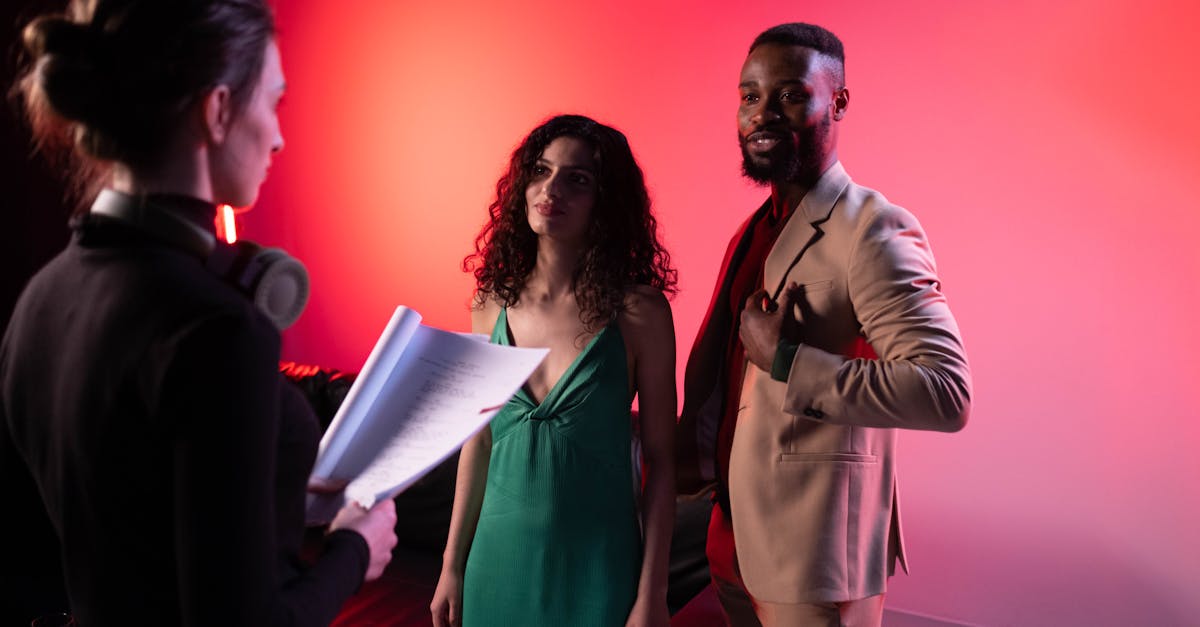
How to Get Footage as a Beginner Actor: Complete Guide to Building Your Reel
Getting footage as a beginner actor involves creating your own content through self-produced scenes, collaborating with film students, participating in workshops, and taking advantage of free or low-cost opportunities like background work and student films. The key is starting with what you can control—smartphone recordings and scene work—then gradually building relationships that lead to professional-quality footage.
Contents
- Why Footage Matters for New Actors
- Self-Produced Content: Your First Step
- Film School Collaborations
- Acting Classes and Workshop Footage
- Background Work and Upgrades
- Short Film and Indie Projects
- Professional Scene Study Services
- Building Your Demo Reel Strategy
Why Footage Matters for New Actors
Without footage, you're essentially asking casting directors to take a leap of faith based solely on your headshot and resume.
Honestly, this creates a challenging catch-22 for beginners: you need footage to book roles, but you need roles to get footage.
That said, the footage doesn't need to be from major productions. Well-executed self-produced content often carries more weight than poorly shot professional work. The focus should be on showcasing your acting ability, not production value.
Self-Produced Content: Your First Step
The most accessible way to get footage is creating it yourself.
Essential Equipment for Self-Production
| Item | Budget Option | Professional Option | Cost Range |
|---|---|---|---|
| Camera | iPhone/Android | Sony A7III | $0-$2,000 |
| Audio | Wired lavalier mic | Rode Wireless GO II | $25-$300 |
| Lighting | Window + reflector | LED panel kit | $20-$500 |
| Editing | DaVinci Resolve (free) | Adobe Premiere Pro | $0-$20/month |
Step-by-Step Self-Production Process
- Choose compelling scenes from published plays or films (avoid copyrighted material for public use)
- Find scene partners through local acting groups or online communities
- Set up proper lighting using our self-tape lighting guide principles
- Record clean audio following techniques from our phone audio guide
- Edit for impact keeping individual scenes under 90 seconds
- Get feedback before including in your reel
Self-produced content should demonstrate range and authenticity rather than trying to mimic big-budget productions.
Film School Collaborations
Film students need actors as much as actors need footage.
Top Film Schools for Actor Collaborations
- University of Southern California (USC) - 400+ student films annually
- New York University (NYU) - Strong narrative focus, actor-friendly projects
- American Film Institute (AFI) - Graduate-level productions with professional standards
- Chapman University - Dodge College produces 200+ shorts yearly
- Emerson College - Emphasis on character-driven stories
How to Connect with Film Students
- Join student film Facebook groups for your local area
- Attend film school screenings and network afterward
- Create profiles on student casting sites like StageAgent and Mandy Network
- Offer your services in exchange for footage rights
- Build long-term relationships with promising filmmakers
Acting Classes and Workshop Footage
Many acting studios now offer "reel scene" classes specifically designed to help actors build footage. These typically cost $150-$400 and include professional filming of your scene work.
Studios Offering Reel Scene Classes
Los Angeles:
- Margie Haber Studio - $350 for filmed scene
- Anthony Meindl's Actor Workshop - $275 for reel scene intensive
- The Groundlings - $400 for sketch reel workshop
New York:
- Stella Adler Studio - $300 for scene study filming
- Atlantic Acting School - $250 for on-camera intensive
- HB Studio - $200 for scene work documentation
Online Options:
- Lesly Kahn & Company - $199 for virtual reel scene
- Cynthia Bain's Acting for Film - $275 for remote filming guidance
There's a nuance here: not all workshop footage is reel-worthy. Look for programs that provide multiple camera angles, professional lighting, and high-quality audio. Some workshops simply set up one camera and let it roll, which won't give you usable material.
Background Work and Upgrades
While background work doesn't typically provide reel footage, it can lead to upgrades and featured background roles that do.
Maximizing Background Opportunities
Professional Behavior:
- Arrive early and prepared
- Follow directions precisely
- Maintain continuity between takes
- Network respectfully with crew
Upgrade Strategies:
- Bring multiple wardrobe options
- Learn basic film terminology
- Be ready to deliver lines if asked
- Maintain your "look" throughout long days
Documentation Rights:
Always ask about using footage for your reel. Most productions allow it for upgraded background work, but get permission in writing.
Short Film and Indie Projects
Independent films and short projects offer the best opportunity for substantial footage.
Finding Quality Indie Projects
Red Flags to Avoid:
- No clear script or story outline
- Requests for nudity in initial casting
- No crew information provided
- Demands payment from actors
- Poor communication or unprofessional materials
Refer to our casting scam guide for comprehensive warning signs.
Green Flags to Pursue:
- Detailed character breakdowns
- Professional crew listings
- Clear shooting schedule
- Footage usage rights specified
- Previous work examples provided
Negotiating Footage Rights
Always discuss footage rights before committing to a project:
- Specify usage rights in writing (reel, website, social media)
- Request raw footage not just final cut
- Set delivery timeline for receiving your footage
- Clarify credit requirements for using the material
- Get contact information for future reference requests
Professional Scene Study Services
A growing industry of reel production services caters specifically to actors needing footage. These range from $500-$3,000 depending on production value and number of scenes.
Reputable Reel Production Companies
Los Angeles:
- Reel Actors Studio - offers multi-scene packages with editing
- Demo Reel LA - provides multiple setups for scene variety
- The Reel Scene - single scene options with professional crew
New York:
- NYC Demo Reel - contrasting scene packages available
- Reel Life Productions - comprehensive reel services
- Scene Study Films - dramatic scene specialization
What's Included:
- Professional camera operator
- Lighting setup
- Audio recording
- Basic editing and color correction
- Multiple file formats for different uses
That said, this doesn't work for everyone's budget.
Building Your Demo Reel Strategy
Once you start accumulating footage, you need a strategy for organizing it into an effective demo reel.
Optimal Reel Structure
Length: 60-90 seconds total
Scene Count: 3-4 contrasting pieces
Opening: Your strongest 15 seconds
Variety: Different genres, emotions, and character types
Footage Prioritization by Quality
- Professional productions (even small roles)
- High-quality self-produced content with good audio/lighting
- Student film work with strong production values
- Workshop footage that demonstrates range
- Background upgrades with clear dialogue
For detailed guidance on structuring your first reel, check our comprehensive guide on what to include in your demo reel.
Common Beginner Mistakes
Technical Issues:
- Poor audio quality (biggest red flag for casting directors)
- Inconsistent lighting between scenes
- Too many quick cuts that don't show sustained performance
- Including scenes where you're barely visible
Content Problems:
- All scenes in the same emotional range
- Choosing overly familiar monologues
- Including scenes with distracting background elements
- Poor scene partner performances that hurt your work
Honestly, we see actors rush to create reels with subpar footage rather than waiting to accumulate better material. A shorter reel with excellent content always outperforms a longer one with mediocre footage.
Updating Your Reel
As you gain more experience and better footage, your reel should evolve.
Update Triggers:
- Booking a speaking role in any production
- Completing a high-quality self-produced scene
- Receiving professional feedback suggesting changes
- Shifting your target casting type or age range
Getting footage as a beginner requires creativity, persistence, and strategic thinking. Start with what you can control—self-produced content and local collaborations—then gradually build toward more professional opportunities. The actors who succeed are those who consistently create rather than waiting for perfect circumstances.
Remember that casting directors care more about seeing your authentic acting ability than impressive production credits. Focus on creating footage that showcases your range, personality, and professional approach to the craft.
Ready to start building your acting career? Create your free profile on GetActress and connect with casting directors looking for fresh talent. Our platform helps beginners find their first opportunities while providing the tools to showcase your growing footage collection effectively.
FAQ
Comments
Sign in to join the conversation
Sign inNo comments yet. Be the first to share your thoughts!