


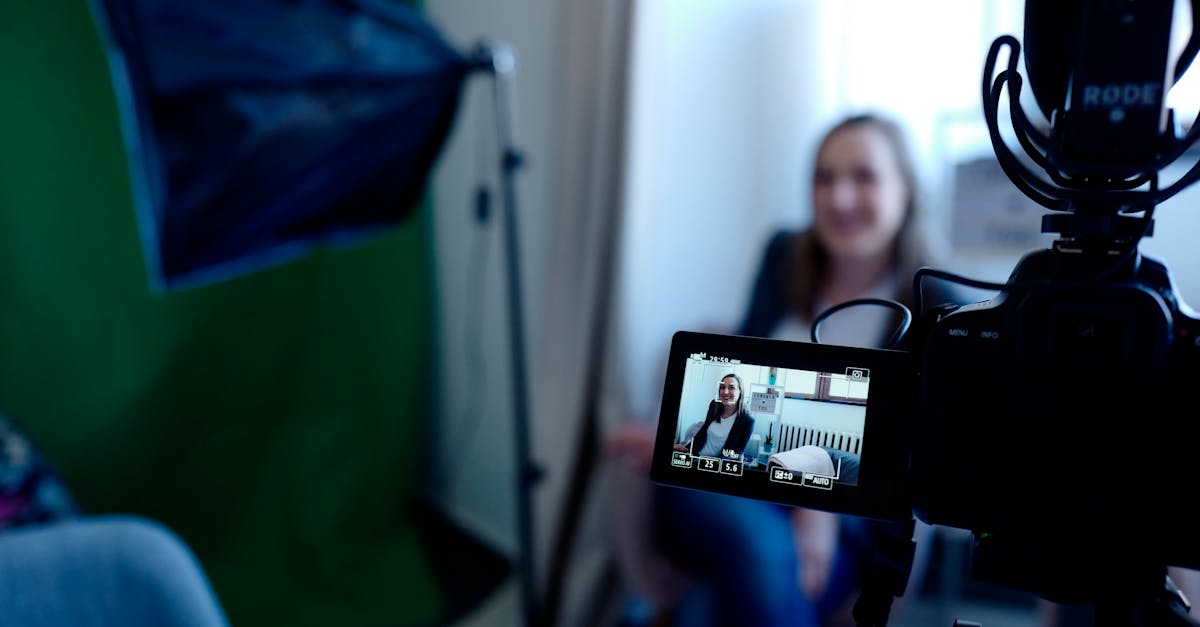
Self-Tape Lighting Guide: Professional Setup for Casting Directors
Self-tape lighting is the strategic placement of light sources to create professional-looking audition videos that showcase an actor's features clearly and evenly. Proper lighting eliminates harsh shadows, prevents overexposure, and ensures casting directors can see facial expressions and emotions without distraction. The goal is natural, flattering illumination that makes you look like the best version of yourself on camera.
Contents
- Why Lighting Makes or Breaks Your Self-Tape
- Essential Equipment for Professional Self-Tape Lighting
- The Three-Point Lighting Setup
- Natural Light vs. Artificial Light
- Common Lighting Mistakes That Kill Your Chances
- Budget-Friendly Lighting Solutions Under $50
- Advanced Lighting Techniques for Different Roles
- Troubleshooting Lighting Problems
Why Lighting Makes or Breaks Your Self-Tape
Poor lighting is a major technical reason casting directors reject auditions before even watching the performance.
Key lighting impacts on casting decisions:
- Eye visibility: Shadows under eyes reduce emotional connection
- Skin tone accuracy: Poor lighting can misrepresent ethnicity or age
- Professional perception: Well-lit tapes are perceived as more professional
- Attention span: Casting directors watch poorly lit tapes for less time
Honestly, even the most talented actor can lose roles due to lighting that makes them look amateurish or hard to see.
Essential Equipment for Professional Self-Tape Lighting
Basic Lighting Kit Components
Key Light Source Options:
| Light Type | Price Range | Pros | Cons |
|---|---|---|---|
| LED Panel | $25-$80 | Adjustable brightness, cool temperature | Requires power source |
| Ring Light | $20-$60 | Even face illumination, phone mount | Can create "halo" in eyes |
| Softbox Kit | $40-$120 | Professional diffusion, multiple sizes | Takes more setup time |
| Natural Window | Free | Soft, flattering light | Weather dependent |
Must-Have Accessories
- Light stands ($15-$30): Adjustable height and angle positioning
- Diffusion material ($5-$15): Softens harsh light sources
- Reflectors ($10-$25): Bounces light to fill shadows
- Color temperature meter app (Free): Ensures consistent white balance
The Three-Point Lighting Setup
Three-point lighting is the industry standard that creates dimensional, professional-looking footage. This technique uses three strategically placed light sources to eliminate unflattering shadows while maintaining natural depth.
1. Key Light (Primary Illumination)
Position: 45 degrees to one side of the camera, slightly above eye level
Purpose: Provides main illumination of your face
Power: Should be your brightest light source
Setup steps:
1. Place light 3-4 feet from your position
2. Angle down 15-20 degrees toward your face
3. Test by looking for a small triangle of light on the shadow side of your nose
2. Fill Light (Shadow Reduction)
Position: Opposite side of key light, lower intensity
Purpose: Softens shadows created by key light
Power: 50-75% intensity of key light
3. Back Light (Separation)
Position: Behind and slightly above, pointing toward your shoulders/hair
Purpose: Separates you from the background
Power: Similar to key light intensity
That said, this doesn't work for everyone in small spaces. Many actors successfully use a modified two-light setup when space is limited.
Natural Light vs. Artificial Light
Natural Light Advantages
Best natural light conditions:
- North-facing windows: Consistent, soft light throughout day
- Overcast days: Natural diffusion eliminates harsh shadows
- Golden hour (1 hour after sunrise/before sunset): Warm, flattering tone
Natural light setup:
1. Position yourself 2-3 feet from window
2. Face the window at 45-degree angle
3. Use white poster board opposite window as fill light reflector
4. Avoid direct sunlight hitting your face
Artificial Light Benefits
Consistency advantages:
- Available 24/7 regardless of weather
- Controllable intensity and color temperature
- Reproducible results for multiple takes
- Professional appearance expected by high-end productions
Recommended artificial light specs:
- Color temperature: 5600K (daylight balanced)
- CRI rating: 90+ for accurate skin tones
- Dimming capability: Essential for fine-tuning intensity
Common Lighting Mistakes That Kill Your Chances
1. Overhead Lighting Only
The problem: Creates unflattering shadows under eyes, nose, and chin
The fix: Add front-facing light source at eye level or slightly above
2. Sitting Too Close to Bright Light
The problem: Overexposure washes out facial features and skin tone
The fix: Move light further away and increase diffusion
3. Mixed Color Temperatures
The problem: Combining warm indoor lights (3200K) with cool daylight (5600K) creates color casts
The fix: Use lights of matching color temperature or adjust camera white balance
4. Ignoring Background Lighting
The problem: Dark backgrounds make you disappear; bright backgrounds cause silhouetting
The fix: Light background separately or use appropriate backgrounds that complement your lighting
5. Harsh, Undiffused Light Sources
The problem: Creates sharp shadow lines and unflattering contrast
The fix: Diffuse all light sources with softboxes, umbrellas, or sheer curtains
Budget-Friendly Lighting Solutions Under $50
DIY Lighting Setups
$0 Setup: Natural Light + Household Items
- Primary light: North-facing window
- Fill light: White poster board or bedsheet as reflector
- Background separation: Position 3+ feet from wall
$25 Setup: Single LED Panel
- Neewer 160 LED Panel ($25)
- DIY diffusion: White shower curtain ($5)
- Reflector: Foam core board ($3)
$45 Setup: Ring Light Special
- 10-inch LED ring light with stand ($35)
- Diffusion gel sheets ($8)
- Small reflector disc ($12)
Household Item Hacks
Effective diffusion materials:
- White shower curtains
- Parchment paper (fire hazard with hot bulbs)
- Sheer white bedsheets
- Frosted plastic containers
Reflector alternatives:
- White poster board
- Aluminum foil on cardboard (shiny side)
- White bedsheets stretched on frame
- Mirrors for hard fill light
Honestly, some of the best-lit self-tapes come from actors using creative household solutions rather than expensive equipment.
Advanced Lighting Techniques for Different Roles
Dramatic Roles
Lighting approach: Slightly more contrast and shadow
- Key light at 60-degree angle for more dramatic shadows
- Reduce fill light to 25% of key light intensity
- Consider cooler color temperature (5600K-6500K)
Comedy Roles
Lighting approach: Bright, even illumination
- Key and fill lights at nearly equal intensity
- Minimize shadows for open, friendly appearance
- Slightly warmer color temperature (5000K-5600K)
Commercial Casting
Lighting approach: Clean, bright, commercial look
- High-key lighting with minimal shadows
- Strong fill light to eliminate under-eye shadows
- Ensure even skin tone reproduction
Period Pieces
Lighting approach: Match the era's typical lighting
- Warmer color temperatures for historical periods
- Single-source lighting for pre-electric eras
- Softer contrast for romantic periods
Troubleshooting Lighting Problems
Problem: Dark Circles Under Eyes
Causes: Key light positioned too high, insufficient fill light
Solutions:
1. Lower key light to just above eye level
2. Add fill light from below (laptop screen works)
3. Use reflector to bounce light up into face
Problem: Shiny, Oily-Looking Skin
Causes: Light too close, overly bright key light, wrong angle
Solutions:
1. Move lights further away
2. Add diffusion material
3. Use powder to reduce skin shine
4. Adjust light angle to reduce direct reflection
Problem: Color Looks Wrong on Camera
Causes: Mixed color temperatures, incorrect white balance
Solutions:
1. Use color temperature meter app
2. Match all light sources to same Kelvin rating
3. Set camera white balance manually
4. Film test shots and adjust accordingly
Problem: Background Too Dark or Bright
Causes: Insufficient background lighting, poor light positioning
Solutions:
1. Add separate background light
2. Move further from background
3. Adjust camera exposure settings
4. Use graduated lighting from front to back
There's a nuance here—some background darkness can actually help you stand out, but complete darkness makes you look unprofessional.
Problem: Flickering Light in Video
Causes: LED lights not compatible with camera frame rate, AC power fluctuations
Solutions:
1. Switch camera to 24fps or 30fps
2. Use DC-powered LED lights
3. Check light manufacturer specifications
4. Test different frame rate settings
Creating Your Professional Self-Tape Setup
Mastering self-tape lighting transforms your auditions from amateur home videos into professional casting submissions that get noticed. The key is consistent, flattering illumination that lets casting directors focus on your performance rather than technical distractions.
Remember these essential principles: position your key light at 45 degrees, always diffuse harsh light sources, maintain consistent color temperature, and test your setup before important auditions. Whether you're using a $0 natural light setup or investing in professional equipment, the goal remains the same—clear, dimensional lighting that showcases your talent.
Start with basic techniques and gradually refine your setup based on the feedback you receive.
Ready to put your new lighting skills to work? Create your free profile on GetActress and start submitting professional-quality self-tapes that casting directors will love. Our platform connects you directly with casting opportunities worldwide, and with proper lighting, you'll stand out from the competition.
For more self-tape success tips, check out our guide on how to become an actor with no experience and learn about professional self-tape backgrounds that complement your lighting setup.
FAQ
Comments
Sign in to join the conversation
Sign inNo comments yet. Be the first to share your thoughts!